
16 April 2026
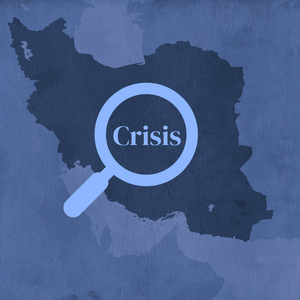
Ongoing tensions involving Iran and the wider Middle East are once again exposing how fragile global supply chains remain.
Even without prolonged fighting in major manufacturing hubs, disruption in this region quickly translates into higher costs and operational risk worldwide.
The impact
Energy prices remain volatile.
Brent crude has been trading roughly in the USD 95–115 per barrel range in recent weeks, well above 2025 averages. For transport, manufacturing and energy‑intensive sectors, fuel price swings are feeding directly into operating costs and margin pressure.*
Food and agriculture are also feeling the impact.
Global wheat prices remain elevated at around USD 6 per bushel, while fertiliser prices have surged again. Urea is trading near USD 800+ per tonne and DAP around USD 850+ per tonne, driven by energy costs, export restrictions and supply disruptions. These increases raise the risk of further food price inflation later in the year.*
Shipping and logistics are under pressure.
Key routes such as the Strait of Hormuz and the Red Sea face heightened security concerns, leading to route diversions, delays, higher insurance premiums and rising freight rates. All of this undermines just in time delivery models.
The need for Risk Management
In this environment, Business Continuity Planning (BCP) is not a paper exercise - it’s a strategic necessity.
Organisations with clear visibility of critical suppliers, alternative logistics routes, energy exposures and decision‑making triggers are far better placed to respond quickly and limit disruption.
Conflict may be outside our control, preparedness is not. The current situation is a clear reminder that resilience, diversification and scenario planning are competitive advantages - not optional extras.
If you’d like to discuss how this translates into practical BCP actions, feel free to contact a member of the Risk Management Team.

Gayle Bennouir, BA (hons) IRMCert TechIOSH Cert CII
Risk Management Director
*Source: Trading Economics
This article is provided for general information and discussion only. It does not constitute advice, guidance or a personal recommendation in relation to insurance, risk management or any other regulated service. The geopolitical, market and pricing information referenced is based on publicly available data at the time of writing and may change.