
The Risk Management Team at Verlingue are dedicated to minimising risk and protecting your business. The wealth of knowledge and experience our specialist team possess can help your business achieve its targets, increase profitability, improve your legal position, and mitigate the risk of unexpected fines or reputational damage. We are able to provide both traditional Risk Management solutions, as well as bespoke Enterprise Risk Management audits.
Why Risk Management
Clarity and control in a changing risk landscape
All organisations face a degree of uncertainty - operational, financial and reputational. Risk management provides clarity, helping you stay in control and make informed decisions. Done properly, it can reduce disruption, manages cost and supports long-term stability.


Our specialist team
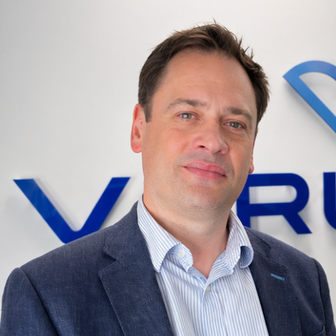
Richard Morgan
Sales Director – Existing Business & Risk Management
Richard is an experienced insurance and risk management leader with over 25 years in the industry. He specialises in helping organisations identify, manage, and mitigate complex risks through practical, client-focused solutions. Richard plays a key role in integrating risk management with client service delivery - ensuring a joined-up approach across broking, claims, and advisory teams.
His focus on continuous improvement, coupled with strong insurer and market relationships, enables clients to access innovative solutions and achieve better risk and commercial outcomes. Known for his collaborative approach and commercial insight, Richard builds trusted partnerships and helps clients navigate an increasingly complex and dynamic risk landscape.
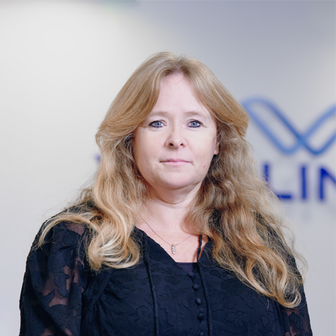
Gayle Bennouir BA (hons) IRM Cert Tech IOSH Cert CII
Risk Management Director
Gayle Bennouir is the Risk Management Director at Verlingue UK. She has over thirty years’ experience in risk management, working for four PLCs over that time. After graduating with a BA (Hons), Gayle moved into the travel industry working in quality and health and safety for Cosmos Air PLC, Thomas Cook then TUI Travel PLC. As the importance of sustainability emerged, she became a qualified sustainability auditor.
Gayle then moved to Saga PLC where; she branched into the ERM side of risk management. Key areas of focus included supply chain management, GDPR, modern slavery, business continuity, incident investigation and emerging and horizon risks. She also represented the Risk function at Risk Committees, Executive Committees and Board Meetings. Gayle has obtained her IRMCert, TechIOSH and Cert CII qualifications.

Chris Moore | Tech IOSH | AIFSM | L3CertFRA
Risk Management Development Director
Chris Moore is the Risk Management Development Director at Verlingue UK. Having over 15 years’ industry experience. With a strong background in risk assessment, safety training, and regulatory compliance, Chris is committed to fostering a culture of safety and continuous improvement within the workplace.
At Verlingue, Chris develops and implements safety programs, ensuring adherence to safety protocols and promoting a safe work environment. Known for his attention to detail and strong communication skills, Chris effectively collaborates with all stakeholders within the business. Chris is currently broadening his expertise into Fire Safety whilst also working toward his NEBOSH Diploma.
Insights


FAQs
What is risk management?
Risk management is a structured approach to identifying, assessing and managing the risks that could affect your business, your people, your finances or your reputation. It helps organisations bring clarity to uncertainty, understand where they may be exposed and make informed decisions about how to reduce, retain or transfer risk.
All organisations face a degree of uncertainty: operational, financial and reputational. Effective risk management helps businesses stay in control, reduce disruption and build resilience.
Why is risk management important for businesses?
Risk management supports business resilience by helping organisations prepare for disruption before it happens. This may include reviewing key risks and understanding your risk appetite, strengthening your risk culture and enhancing controls, improving health and safety management systems, planning for business interruption, assessing cyber exposure, and stress testing to ensure the right processes are in place to respond quickly and effectively.
By taking a proactive approach to risk, businesses can reduce the likelihood of incidents, minimise the impact of disruption and make confident, informed decisions in an evolving risk landscape. Continuous improvement remains key to building resilience and protecting long-term business performance.
How can risk management help create a safer working environment?
Effective risk management relies upon robust frameworks that will help businesses identify hazards, improve controls and embed safer ways of working. This can include health and safety training, risk assessments, accident investigation, fire safety reviews, personal protective equipment guidance, and practical support to help stakeholders understand and manage risk in their day-to-day roles whilst also reflecting on performance to learn lessons and improve.
A safer working environment can reduce incidents, support compliance, improve confidence among employees and help businesses take a more proactive approach to protecting their people.
What is the relationship between risk management and insurance?
Risk management and insurance work together, but they are not the same thing. Risk management helps businesses understand their exposures and decide how those risks should be handled. Some risks can be reduced or controlled through practical measures; others may be accepted and self-funded; and some may be transferred through insurance.
A strong risk management strategy can also support better insurance outcomes by helping insurers understand how well a business is managed, how risks are controlled and what measures are in place to prevent or reduce losses.
What does it mean to mitigate, retain or transfer risk?
Businesses usually manage risk in three main ways: mitigating it, retaining it or transferring it. The right approach depends on the nature of the risk, how likely it is to happen, how serious the impact could be and how much risk the business is prepared to accept.
Mitigated risk is risk that is reduced through practical controls and preventative measures. For example, a business may reduce the risk of workplace accidents by carrying out risk assessments, providing employee training and ensuring the right personal protective equipment is in place. It may reduce fire risk through fire safety reviews, alarm systems and regular checks, or reduce the likelihood of repeat incidents by investigating accidents and improving procedures.
Retained risk is risk that a business chooses to accept and self-fund, rather than transferring it fully through insurance. For example, a company may decide to absorb the cost of minor equipment damage, small vehicle repairs or claims that fall within an agreed insurance excess. These are typically risks that are predictable, manageable or more cost-effective to deal with internally.
Transferred risk is risk that is passed to another party, most commonly through insurance. For example, a business may transfer property damage risk through commercial property insurance, cyber risk through cyber insurance, or liability risk through public or employers’ liability cover.
A strong risk management strategy helps businesses decide which risks to reduce, which to retain and which to transfer - creating a more balanced, informed and resilient approach to protecting the organisation.
What risk management services does Verlingue provide?
Verlingue provides practical Risk Management support across a range of areas, helping businesses understand their risk tolerances; identify, assess and manage both strategic and operational risks. Our expertise includes Enterprise Risk Management, Property Loss Control, Business Continuity, Cyber Risk, Motor Fleet Risk, and Health & Safety.
All disciplines focus on building a framework that synergises well with your internal controls and systems to give you the best chance of ensuring buy-in, taking positive steps toward industry standards.
Our services can include audits and review, risk assessments, site surveys, risk registers, governance frameworks, business continuity planning, incident reporting, training, cyber and operational risk support, and advice on insurer requirements.
What is Verlingue’s approach to risk management?
Verlingue’s approach is built around long-term relationships. We take the time to understand your business, your people, your operations and the risks that matter most to you.
Rather than offering a one-size-fits-all solution, we work with you to put together practical, proportionate and commercially relevant risk management support.
Why choose Verlingue for risk management support?
Verlingue combines technical expertise with a relationship-led approach. We are an independent insurance broker and risk management adviser, working with businesses of all sizes to help them understand and manage risk more effectively.
Our Risk Management proposition is strengthened by our IOSH-approved training capability, Investor in Customers Gold accreditation, international reach through the Worldwide Broker Network, and sector expertise across areas such as Enterprise Risk Management, Cyber Defence, Property Loss Control, Business Continuity and Health & Safety.
Combining practical experience with strategic insight, we help organisations navigate emerging risks such as AI, strengthen resilience, and make confident, informed decisions.