
12 May 2026
Despite the already heightened tensions in the Middle East at the moment, the conflict has intensified with direct military exchanges between United States, Israel and Iran.
Recent strikes have targeted key Iranian military, intelligence, and leadership-linked sites, prompting retaliatory missile and drone attacks not only against Israel but also against U.S. positions across neighbouring countries.
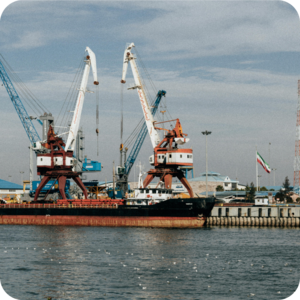
The impact has extended beyond military targets, with ports, airports, and other critical infrastructure across the region also affected. Operations could last for several weeks, but there is still a lot of uncertainty about how the situation will evolve and whether it could affect the wider region.
How does the conflict in the Middle East relate to trade credit insurance?
This evolving risk environment has direct implications for trade credit insurance. Heightened geopolitical instability increases the likelihood of business disruption, delayed payments, and insolvencies, particularly in sectors exposed to regional trade and energy markets. Damage to infrastructure and ongoing security concerns can interrupt supply chains and extend payment cycles, placing pressure on company cash flows.
At the same time, uncertainty around the duration and scale of the conflict, especially given its potential to disrupt key transit routes and energy flows, raises broader global risks. In response, trade credit insurers are likely to adopt a more cautious stance, closely monitoring buyer performance, reassessing country and sector risk, and adjusting credit limits where necessary. This may result in tighter coverage, meaning securing cover matters as insurers tighten capacity and the uncertainty surrounding the war moving forward means waiting to purchase Credit Insurance can lead to limits or exclusions” - less committal version.
Case Study: the Straight of Hormuz
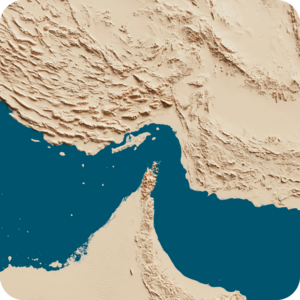
The Strait of Hormuz is one of the most critical chokepoints in global trade, handling roughly 20% of the world’s oil and a significant share of liquefied natural gas. Any disruption, whether from conflict, threats to shipping, or temporary closure, has immediate consequences for energy prices, logistics, and global supply chains. For trade credit insurers, this makes Hormuz not just a regional issue, but a systemic global risk driver, why?
For businesses in the UK, the conflict reduces profit margins, meaning there’s increased stress on transport costs and paying suppliers on time.
Subsequently, there’s increased reliance on short-term finance to fund outgoings, which can be a key driver for Credit Insurance Companies when assessing the risk of a debtor. As a result, Limits may be cancelled or reduced to reflect poor financial performance, meaning more suppliers carry the risk of non-payment from suppliers.
Why is credit insurance becoming more relevant?
Uncertainty around the duration and scale of the conflict continues to create global risk. Ongoing disruption to key transit routes and energy flows adds to the pressure. In response, trade credit insurers are taking a more cautious approach. They are closely monitoring buyer performance, reassessing country and sector risks, and adjusting credit limits where needed.
This is leading to tighter cover. Securing insurance early is becoming more important, as reduced capacity and continued uncertainty may result in lower limits or exclusions for those who wait. If you would like to explore how credit insurance may support your clients’ cash‑flow management and risk approach, we are available to discuss the options and share further information.

This article is provided for general information only and reflects market conditions at the time of writing. Any decisions regarding credit insurance or risk management should be based on your organisation’s specific circumstances. Insurance cover, limits and terms are subject to underwriting assessment and may vary between insurers.