
10 August 2026
At its core, Artificial Intelligence (AI) refers to technology that enables computers and systems to analyse information, recognise patterns, learn from data and make decisions or recommendations with minimal human input.
This revolutionary technology has been transforming the motor industry with improvements to safety, efficiency and sustainability; often without us even realising.
Around 67% of collisions in the UK are caused by driver error, making it the leading cause of road accidents1. Built in AI systems such as Automatic Emergency Braking, lane assist and adaptive cruise control in certain circumstances can react faster than a typical road user, and as technology continues to improve, these systems are expected to become even more accurate, responsive and effective.
Predictive maintenance through analysis of real-time data will also detect faults that can not only reduce accidents, but prevent breakdowns, improve performance and reduce costs. In addition to its safety benefits, AI supports more sustainable travel by optimising EV efficiency and reducing energy use and congestion through greener route planning.
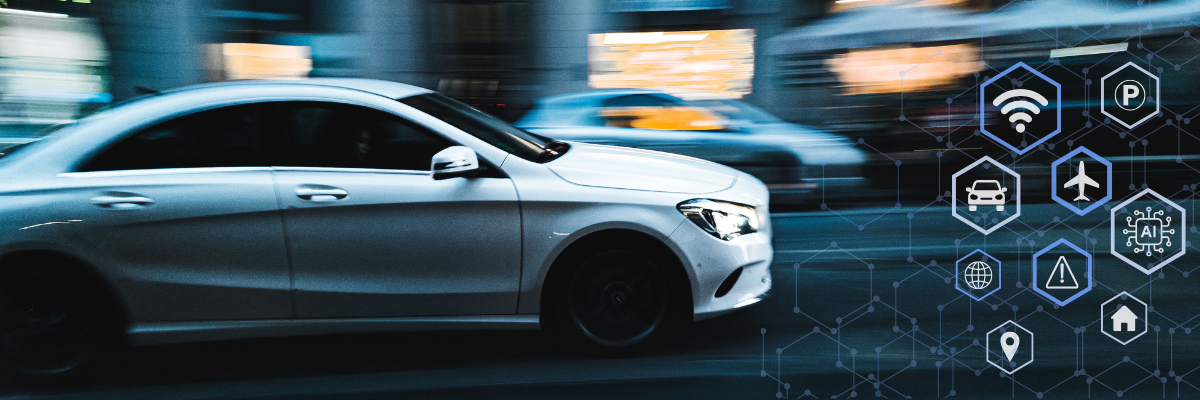
Some other examples of AI that you might not know exist in your vehicle are:
Driver monitoring systems - Cameras and sensors tracking eye movement and behaviour to detect signs of fatigue or distraction, historically only seen in commercial vehicles but now a standard feature is motor production.
Intelligent braking and stability control - Monitoring wheel speed, road grip and steering input to adjust braking force, and maintain control of the vehicle.
Energy management - Analysing driving patterns and power usage to improve fuel efficiency or battery life, as well as shifting gears for a smoother and more economical drive.
So, what could possibly be wrong with all that?
While AI can add to the driving experience, we shouldn’t become reliant upon it. A dependency upon AI software to keep the driver safe can lead to complacency, creating a whole new hazard on the road. No system is flawless, and it’s important that drivers always maintain attention on their journey to pick up what AI cannot and react in time to avoid collisions.
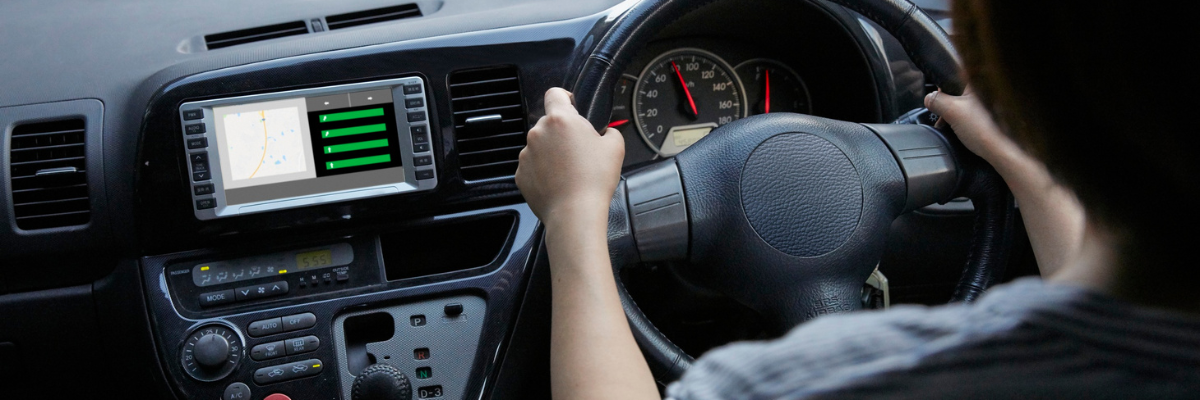
Development of technology goes hand in hand with an increased risk of cyber threats. AI in vehicles relies on various sensors, cloud platforms, software and mobile applications. Each connection creates a point of entry for hackers, and criminals can exploit vulnerabilities to unlock, start, locate or even steal vehicles remotely. We see the impact of this firsthand through increased premiums and complex claims in various models with particularly vulnerable security.
What does this mean for the future?
Following the passing of the Automated Vehicles (AV) Act in 2024, self-driving vehicles will be joining UK roads as early as September 2026. This move will require vehicles to meet rigorous safety checks and is hoped to further reduce collisions caused by human error. It is estimated to create over 38,000 new jobs in a £42 billion sector, and testing of these vehicles is already underway in London and Oxford.
There is something to be said for the limitations of self-driving vehicles as seen in countries around the world; a simple search online will show numerous videos of the various malfunctions and failures when human judgement is removed. Issues can arise from sensor defects and weather complications, misinterpreting human behaviour and complexity of road layouts in cities and large towns.
Will this move see the biggest shift in mobility since the invention of the car itself? Can the promise of automation be successfully integrated with the practicalities of our current roads? Are we capable of keeping up with the rapidly changing industry?
Public trust in AI is still developing. A better understanding of the technology and how it can truly benefit us will only come with time, but for now it looks like AI is here to stay.
Article written by:
Emily Tilbury, Claims Associate
Donovan Williams, Senior Claims Associate
Oscar Owen-Davidson, Claims Associate
Sources:
1 The Driving Instructors Association