
28 September 2026
Climate change is no longer a distant environmental issue. It is now a significant business risk that is reshaping how organisations across the UK approach Business Continuity Planning (BCP).
Rising summer temperatures, colder and more unpredictable winter conditions, and increasingly severe flooding events are creating new operational challenges for businesses in every sector.
Traditional business continuity plans were often developed around isolated incidents such as power failures, technology outages, industrial action, or localised weather events. Today, organisations must prepare for climate-related disruptions that are becoming more frequent, longer lasting, and more widespread. As a result, climate resilience is rapidly becoming a core element of effective business continuity management.

The growing challenge of extreme summer heat
Historically, UK businesses have focused more attention on winter weather disruptions. However, rising temperatures and more frequent heatwaves are creating new challenges. Extreme heat can affect employee productivity and wellbeing, particularly in offices, warehouses, and outdoor working environments. Organisations may experience increased sickness absence, reduced operational efficiency, and additional health and safety concerns.

Heatwaves can also place pressure on critical infrastructure. Data centres, server rooms, and telecommunications equipment can be vulnerable to overheating, while increased demand on electricity networks can raise the risk of power interruptions.
Transport infrastructure, including roads, ships (falling water levels in the Panama Canal) and railways, may also be affected, causing delays that impact employees, customers, and suppliers.
Preparing for more severe winter conditions
Although the overall climate is warming, extreme winter weather remains a significant risk. Sudden cold snaps, snow, and ice can disrupt travel, reduce workforce availability, and place additional strain on utilities and energy supplies.
BBC weather has mentioned the strengthening El Niño this winter, and it is expected to increase the likelihood of milder, wetter, and stormier conditions in some regions, although its exact impact on the UK will depend on other weather patterns as well.

Business continuity plans should ensure that organisations can continue operating during severe winter conditions. This includes enabling remote working where possible, identifying alternative staffing arrangements, and maintaining backup power solutions for critical operations.
Regular maintenance of heating systems and building infrastructure can also help minimise the risk of property damage caused by freezing temperatures and burst pipes.
Flooding as a major business continuity risk
Major insurers have noted that flooding has become one of the most significant climate-related threats facing UK businesses. Heavy rainfall, river flooding, coastal flooding, and surface water flooding can have immediate and long-lasting consequences. The direct impacts of flooding may include damage to buildings, equipment, IT infrastructure, and stock.
In severe cases, sites may become inaccessible for days or even weeks, leading to significant operational disruption and financial losses. Businesses may also face increased insurance costs and reputational damage if they are unable to maintain services during a major flood event.
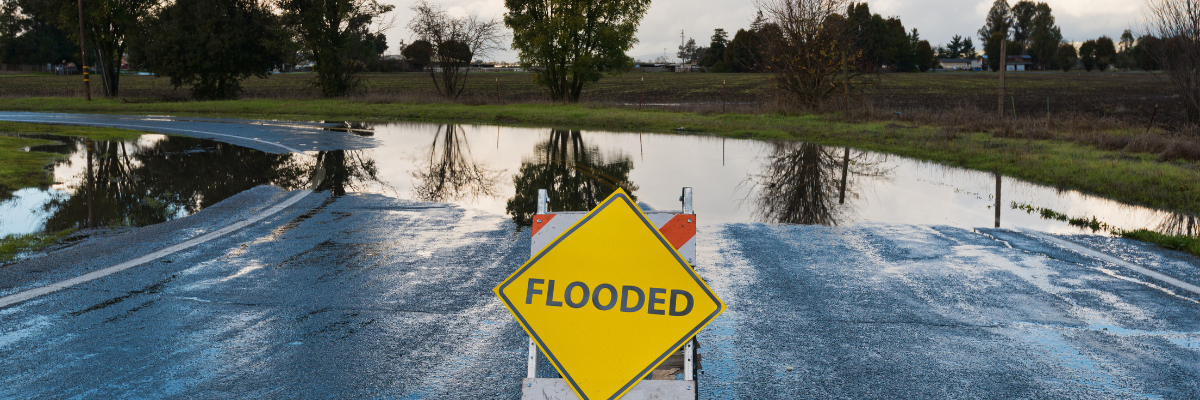
Importantly, flooding does not need to affect a business directly to cause disruption. Suppliers, logistics providers, utility companies, and transport networks can all be impacted by flooding elsewhere, creating knock-on effects throughout the supply chain. Organisations should therefore assess not only their own vulnerability but also that of their critical third parties.
Strengthening Business Continuity Plans
To improve resilience against climate-related disruptions, organisations should incorporate climate risks into their business continuity framework by:
Conducting regular climate-focused risk assessments
Reviewing the impact of extreme heat, winter weather, and flooding on critical operations
Testing business continuity and crisis management plans through realistic weather-related scenarios
Mapping supply chain dependencies and identifying alternative suppliers
Ensuring remote working and communication systems are robust and regularly tested
Establishing clear escalation and incident management procedures
Investing in physical resilience measures such as improved drainage, flood protection, backup power supplies, and enhanced cooling systems
Looking ahead
Climate scientists predict that extreme weather events are likely to become more frequent and severe over the coming decades. This means that organisations can no longer view climate risks as occasional disruptions; they must be considered a key business resilience challenge.
Business Continuity Planning is no longer solely about recovering from isolated incidents. It is about building an organisation that can anticipate, withstand, respond to, and recover from a changing risk landscape. Those organisations that proactively adapt their continuity plans to account for hotter summers, harsher winter conditions, and an increased flood risk will be better positioned to protect their people, maintain critical services, and achieve long-term operational resilience.
Climate resilience and business continuity are now closely connected. By planning ahead and investing in preparedness, organisations can reduce disruption, recover more quickly, and remain resilient as the UK climate continues to change.

Gayle Bennouir, BA (hons) IRMCert TechIOSH Cert CII
Risk Management Director
Any risk management guidance, support or tools provided are intended to assist in the identification and mitigation of risks but do not constitute a guarantee against loss, damage or liability. The effectiveness of any risk management measures will depend on individual circumstances.