
5 June 2026
Rising geopolitical tensions involving Iran and the wider Middle East continue to disrupt global supply chains, particularly across energy, shipping, and logistics.
While such instability is clearly negative in humanitarian and economic terms, it is also prompting UK businesses and investors to reassess resilience, sourcing strategies, and sustainability priorities through a more pragmatic lens.

One notable consequence has been a growing focus on near‑shoring and the development of more regional supply chains. By sourcing goods and services closer to home, organisations can reduce exposure to geopolitical flashpoints, improve oversight and transparency across suppliers, and strengthen operational resilience. Shorter supply chains may also help reduce transport‑related emissions, supporting environmental objectives while enhancing governance through better supplier accountability and compliance monitoring.
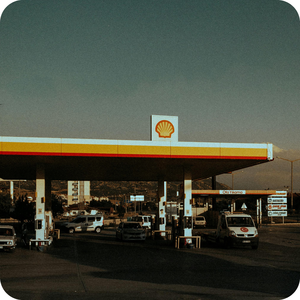
Disruption to global energy markets has further reinforced the strategic importance of energy security and transition. Price volatility linked to international conflict strengthens the business case for greater investment in renewables, energy efficiency, and electrification, alongside reduced dependence on imported fossil fuels.
These shifts not only mitigate exposure to geopolitical risk but also align with long‑term net‑zero ambitions and more stable energy costs over time.
From a governance perspective, heightened uncertainty is driving sharper scrutiny of risk management and resilience at board level. There is increasing emphasis on supply‑chain mapping, scenario planning, and supplier due diligence, with geopolitical exposure now recognised as a material business risk rather than a purely external concern. ESG considerations are therefore becoming more closely embedded within enterprise risk frameworks and strategic decision‑making.
While geopolitical conflict is never positive, current tensions may be accelerating structural changes that support more resilient, locally focused, and ESG‑aligned business practices across the UK economy.

Gayle Bennouir, BA (hons) IRMCert TechIOSH Cert CII
Risk Management Director
The information in this article reflects publicly available developments and market conditions at the time of writing. Geopolitical situations, including tensions involving Iran and the wider Middle East, are fast moving and subject to change. For more information get in touch with Gayle Bennoir.