
17 July 2026
While many of us have been enjoying the recent spell of warm, dry weather, these conditions can have a hidden impact on homes and commercial properties.
After months of below-average rainfall across many parts of the UK, ground moisture levels have fallen significantly. For properties built on clay soils, prolonged dry weather can cause the ground to shrink, leading to movement beneath foundations and an increased risk of subsidence.
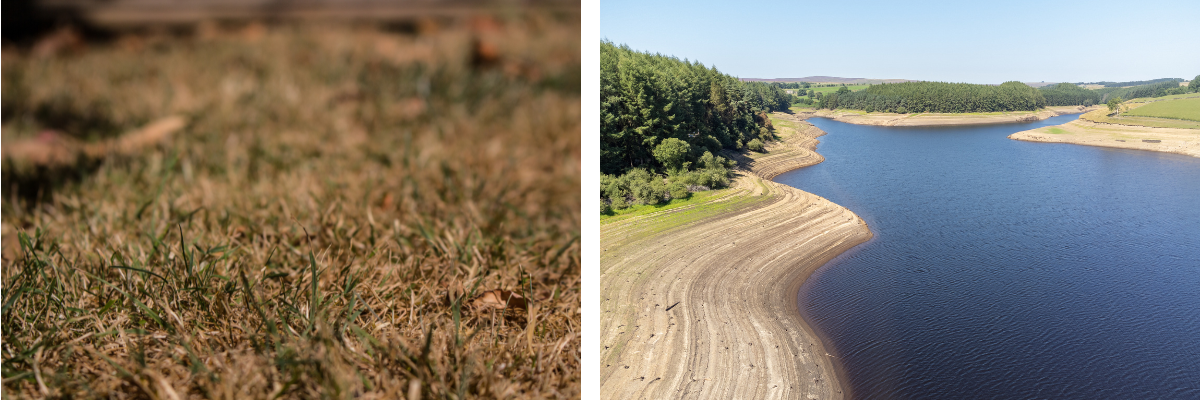
Based on claims activity and notifications we are currently seeing, signs of subsidence activity appear to be emerging earlier than is typical for this time of year. If dry conditions continue, there may be an increase in subsidence-related claims during the summer and autumn months.
Historical trends show that prolonged periods of hot, dry weather have previously resulted in significant increases in subsidence-related insurance claims. While subsidence is often associated with parts of southern England, it can occur anywhere where soil conditions and nearby vegetation create the right environment for ground movement.
Warning signs to watch for
Property owners should remain vigilant for signs of movement, including:
New cracks appearing in internal or external walls
Existing cracks becoming wider over time
Doors or windows that suddenly stick or become difficult to open and close
Cracking around bay windows, conservatories or extensions
Uneven or sloping floors
Gaps developing between walls and ceilings
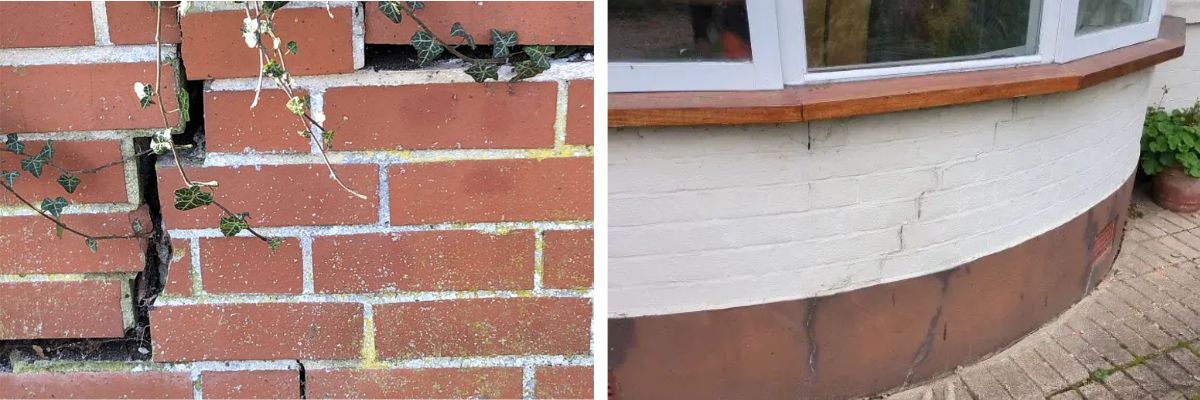
While these signs do not always indicate subsidence, they should be investigated, particularly during prolonged periods of dry weather.
If you're concerned, act early
Early intervention can help prevent further damage and support a smoother claims process.
If you notice signs of movement:
Take clear photographs of any visible cracking or damage
Record when the issue was first noticed and whether it appears to be worsening
Monitor changes over time
Avoid carrying out cosmetic repairs until the cause has been investigated
Notify your broker or insurer as soon as possible in accordance with the notification requirements of your policy
Early engagement allows insurers and loss adjusters to assess the situation promptly and determine the most appropriate course of action.
Don't overlook trees and vegetation
Trees and large shrubs can play a significant role in subsidence risk, particularly during extended dry periods when roots draw moisture from the surrounding soil.
Property owners should also be aware that some insurance policies contain specific tree management conditions. These may require trees to be regularly pruned or maintained below a certain height. Failing to comply with these conditions could affect cover, so it is important to review your policy requirements and seek advice if you are unsure.
How Verlingue can help
Navigating a potential subsidence claim can be complex, particularly when the cause of movement is not immediately clear.
Our team works closely with property owners, insurers and loss adjusters to help identify the cause of damage, guide clients through the claims process and support a timely resolution.
If you have concerns about subsidence or would like advice on managing the risk, please get in touch with a member of our team.

* This article is intended for general information only and does not constitute professional advice. Signs of movement or cracking do not necessarily indicate subsidence, and the cause should be assessed by a suitably qualified professional. Insurance cover, claim acceptance and policy conditions will vary between insurers and individual policies.